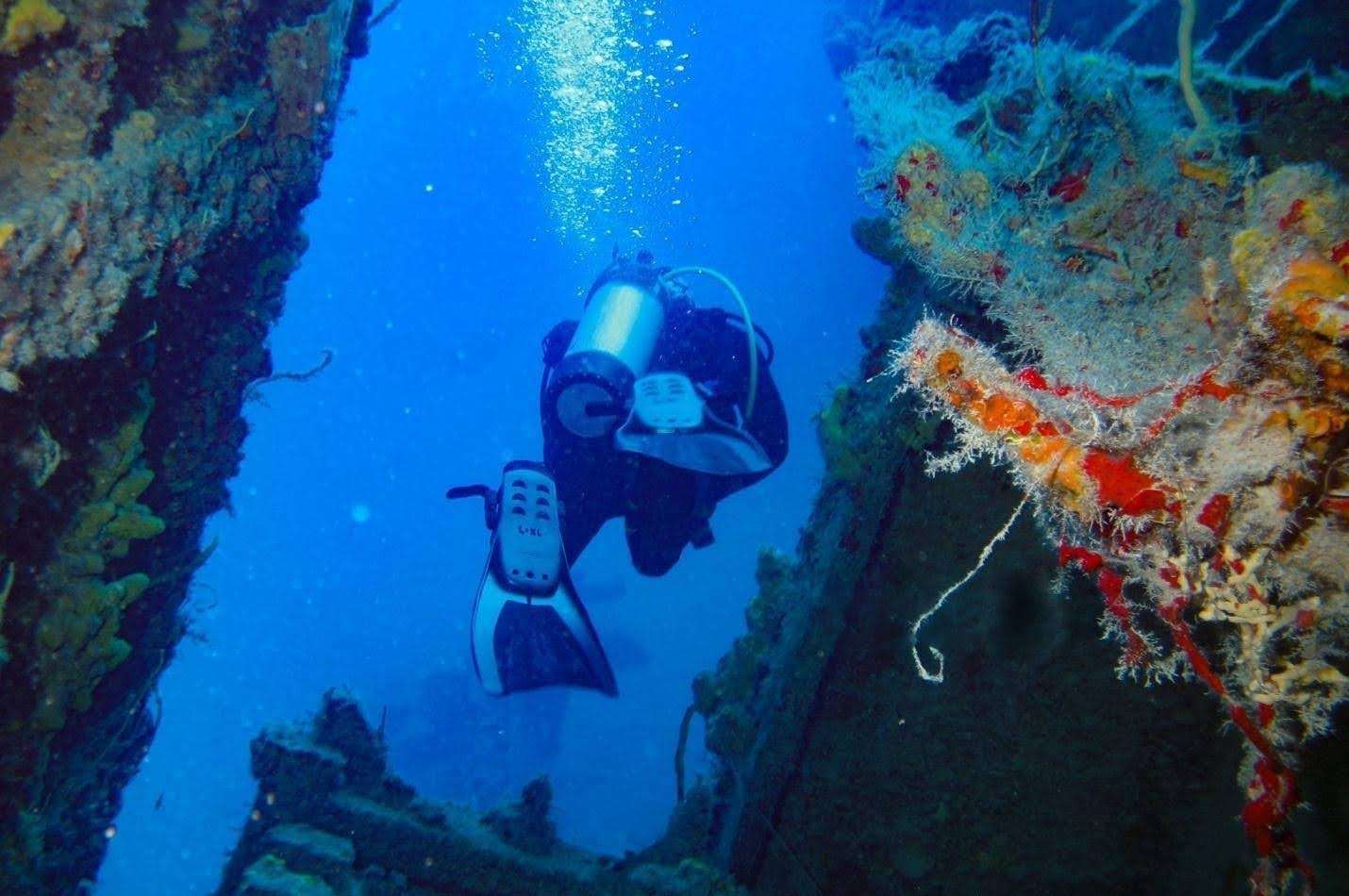
The Duane is one of the most impressive wreck dives in the Atlantic, resting upright on the ocean floor at around 120 feet. It is a purpose-sunk vessel that has become a thriving artificial reef and a bucket-list dive for advanced divers visiting the Florida Keys.
The Florida Keys is an island chain stretching roughly 125 miles along the southern tip of Florida, bordered by the Atlantic Ocean to the east and the Gulf of Mexico to the west. The region sits alongside one of the world’s largest coral reef systems and is home to some of the most celebrated wreck dives in North America.
Divers planning a Duane wreck dive in the Florida Keys can expect an unforgettable experience featuring dramatic underwater structure, abundant marine life, and one of the most iconic wreck dives in the region.
This article covers some important information that one must know before planning the Duane Wreck dive:
History and Background of the Duane
The Duane has a rich history before it became a dive site. Understanding its background adds context to what you see underwater.
The Coast Guard cutter Duane served the United States for over 50 years, participating in World War II convoy escort missions and later in the Vietnam War era. It was intentionally sunk in 1987 as part of an artificial reef program off Key Largo. The wreck sits upright in about 120 feet of water, with the mast reaching up to around 80 feet below the surface.
Depth and Certification Requirements
The Duane is not a beginner dive site. Depth and penetration considerations make it suited for experienced and properly certified divers only.
- Advanced Open Water certification is the minimum recommended level for visiting the site
- The main deck sits at approximately 100 feet, with the deepest sections reaching 120 feet
- Divers planning interior penetration should hold a wreck diving specialty certification
- Bottom time is limited at this depth, so dive planning and gas management are essential
What to Expect Underwater
Few wreck dives in the Florida Keys match the visual impact of the Duane. The site rewards divers who move slowly and observe carefully throughout the dive.
Key Features at the Site
- The wheelhouse and bridge: Largely intact and encrusted with coral, offering strong photographic opportunities
- Goliath grouper: Large resident specimens are commonly found near the stern and along the hull
- Coral encrustation: Hard and soft corals have fully colonized the exterior, making the wreck feel like a natural reef
- Visibility: Typically ranges from 40 to 80 feet, depending on the season and current conditions
- Marine life variety: Barracuda, snapper, angelfish, and moray eels are regularly sighted throughout the structure
Dive Conditions and Best Time to Visit
Conditions at the Duane vary by season and should always be checked before booking. Planning around the right window makes a significant difference to the overall dive experience.
Water temperatures range from the low 70s Fahrenheit in winter to the mid-80s in summer. Spring offers the most favorable combination of calm seas, warm water, and strong visibility. Divers booking a Duane dive site in Islamorada should confirm current conditions with the operator before departure, as surface swells can affect underwater visibility quickly.
Choosing the Right Charter
Selecting the right charter operator matters as much as the dive itself. Not every boat running Keys charters is equally equipped for deep wreck diving.
- Look for operators with experience specifically on the Duane
- Confirm the boat carries oxygen and trained staff for deep dive emergencies
- Ask whether the charter is private or shared, as group size affects bottom time management
- Verify nitrox availability if you want to extend your no-decompression limits at depth
Key Takeaways
- The Duane was a Coast Guard cutter intentionally sunk in 1987 and now rests upright at around 120 feet.
- Advanced Open Water certification is the minimum recommended level for this dive.
- The wheelhouse, coral encrustation, and resident goliath grouper are among the top features of the dive.
- Spring offers the best combination of visibility, water temperature, and calm surface conditions.
- Divers planning penetration dives inside the wreck should hold a wreck diving specialty certification.
- Always confirm current conditions with your charter operator before departure.
- Choosing a charter with deep wreck experience and proper safety equipment is essential for this dive.
Related Reads